Electrical boxes may be hidden behind walls, but they play a big role in keeping your wiring system safe and organized. Whether you’re installing a new outlet or rewiring a kitchen, every connection needs to be protected—and that’s exactly what an electrical box does.
But here’s where many homeowners and builders get stuck: Should you use a plastic box or a metal one? At first glance, they might look similar, but the choice you make can affect safety, cost, code compliance, and long-term performance.
What Are Plastic Electrical Boxes?
Plastic electrical boxes are some of the most commonly used enclosures for wiring in residential and light commercial buildings. They’re made from durable, non-conductive materials and are designed to house outlets, switches, and junctions safely.

Common Materials Used
Most plastic electrical boxes are made from one of the following:
PVC (Polyvinyl Chloride): Lightweight, affordable, and resistant to moisture and corrosion. This is the most widely used type.
ABS (Acrylonitrile Butadiene Styrene): A bit tougher than standard PVC, offering better impact resistance.
Polycarbonate: Premium plastic used for high-strength applications. It resists cracking, heat, and UV light better than cheaper plastics.
These materials are non-conductive, meaning they don’t conduct electricity—making them naturally safer in environments where accidental contact with wires might occur.
Where They’re Typically Used
Plastic electrical boxes are ideal for:
Indoor installations
Residential construction
Drywall or wood-stud walls
Light-duty circuits
Use with non-metallic (NM) cables like Romex
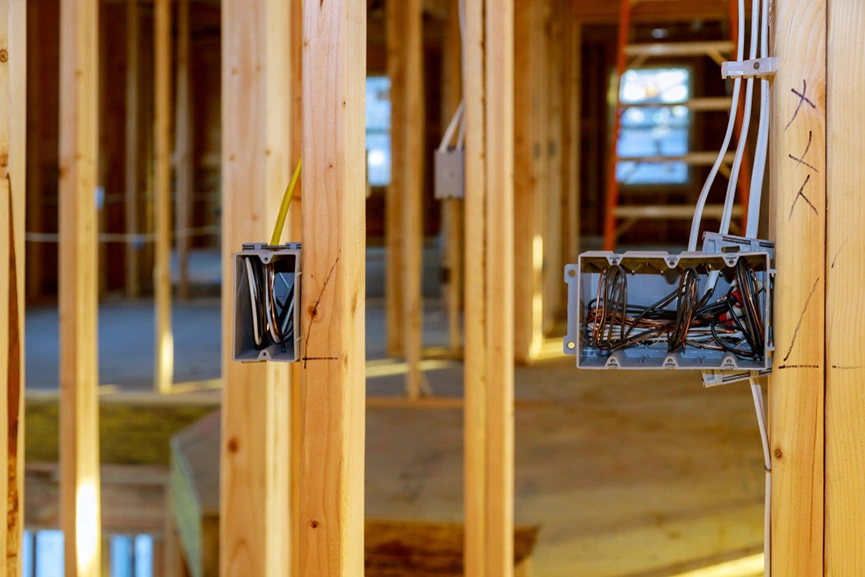
Because they are non-metallic, they don’t require grounding, which simplifies installation. This makes them a go-to choice for DIYers, electricians working on new home construction, and even light renovations.
What Are Metal Electrical Boxes?
Metal electrical boxes are strong, fire-resistant enclosures made for tougher wiring situations. You’ll often see them in commercial buildings, older homes, or any place where the wiring needs extra protection from damage or heat.

Types of Metal Used
Most metal boxes are made from either:
Steel: The most common option. It’s rigid, durable, and fire-resistant. Great for indoor and outdoor use.
Aluminum: Lighter than steel and naturally corrosion-resistant, making it a better choice for damp or coastal environments.
These metals conduct electricity, which means they must be grounded properly—either through the box itself or with bonding screws or jumpers. This is a key difference from plastic boxes.
When to Use a Metal Electrical Box
Metal boxes are often required or preferred in situations like:
Wiring with metal conduit (EMT, BX, MC cable)
Exposed installations in basements, garages, or utility rooms
High-heat or high-stress environments
Commercial construction where code demands extra durability
Because of their strength, metal boxes are better at withstanding mechanical damage. They also offer superior fire containment, which can be crucial in commercial or industrial settings.
Plastic vs. Metal Electrical Boxes: Pros & Cons
Choosing the right electrical box isn’t just about preference—it’s about safety, performance, and cost.
| Feature | Plastic Boxes | Metal Boxes |
|---|---|---|
| Strength & Durability | Resists rust, won’t dent, but may crack under stress | Very strong, resists impact, but can dent or bend |
| Weight | Lightweight and easy to handle | Heavier, may require more support during install |
| Cost | Generally less expensive | Typically higher upfront cost |
| Grounding | Does not conduct electricity; no grounding needed | Must be grounded to meet code |
| Code Compliance | Accepted for most residential jobs | Often required for commercial or conduit wiring |
| Heat & Fire Resistance | Can melt or deform under extreme heat | Excellent fire resistance; won’t burn |
| Ease of Installation | Quick to install, built-in clamps for NM cable | Needs grounding; may require connectors for conduit |
| Crack/Damage Risk | Can crack if over-tightened or hit | Sturdy and less prone to cracking |
| Where It Shines | Indoor residential use with NM (Romex) cable | Exposed areas, metal conduit, or high-heat settings |
Environmental & Installation Considerations
The choice between plastic and metal electrical boxes isn’t just about materials—it’s about where and how you plan to use them.
1. Moisture & Corrosion Resistance
Plastic Boxes: Naturally resistant to moisture and corrosion. Ideal for damp indoor areas like bathrooms, basements, or garages. Some are even rated for outdoor use, though not all are UV-resistant.
Metal Boxes: Can rust if exposed to moisture unless coated or made from galvanized steel or aluminum. Use outdoor-rated metal boxes if moisture or weather exposure is expected.
Tip: Always check the box’s rating. Look for terms like “damp location” or “weatherproof.”
2. UV Exposure & Outdoor Use
Plastic Boxes: Some UV-stabilized models can handle direct sunlight, but cheap ones may crack or degrade over time outdoors.
Metal Boxes: Often preferred outdoors, especially when paired with metal conduit systems. Durable coatings help prevent rust and degradation in sun-exposed areas.
Use Case: For exterior wall lights or outlets, metal is generally safer unless you use a specifically outdoor-rated plastic box.
3. Heat, Fire, and Combustion Resistance
Plastic Boxes: Can melt or deform in high temperatures or during fires. They’re not recommended for high-heat environments like industrial kitchens or mechanical rooms.
Metal Boxes: Excellent heat resistance. Won’t burn, melt, or add fuel in case of fire. Often required by code in commercial or high-risk environments.
4. Mechanical Stress & Physical Impact
Plastic Boxes: Easier to damage during installation—especially if over-tightened, dropped, or struck. May crack under pressure.
Metal Boxes: Rigid and impact-resistant. A better choice for high-traffic areas, exposed installations, or when mounted to masonry or concrete.
Summary: Where Environment Matters Most
| Condition | Best Choice |
|---|---|
| Moist or damp areas | Plastic (non-metallic) or coated metal |
| Outdoor with UV exposure | UV-rated plastic or rust-resistant metal |
| High heat / potential fire | Metal |
| High-impact or rugged use | Metal |
| Budget-friendly dry space | Plastic |
Code, Wiring Type, and Grounding
Choosing between plastic and metal electrical boxes isn’t just about durability or cost—it’s also about meeting electrical code requirements and using the correct wiring and grounding methods for safety and compliance.
1. When Metal Boxes Are Required
In certain installations, metal electrical boxes aren’t optional—they’re required by code:
Metal-sheathed cable (Type MC or AC): These are often used in commercial or industrial wiring. Because the cable uses the metal jacket as a ground, it must be connected to a metal box to maintain the grounding path.
Metal conduit systems (EMT, RMC, etc.): If you’re using metal conduit, the box must also be metal to ensure full continuity and proper bonding throughout the system.
Exposed installations: In garages, basements, or utility areas where boxes are exposed to potential impact, metal boxes are usually mandated for added strength and safety.
💡 Example: If you’re installing conduit in a concrete wall or an industrial setting, you’ll likely need a metal box to match the conduit system.

2. Plastic Boxes: No Grounding Required
Plastic boxes are made from non-conductive material, so they do not require grounding themselves. However, you still need to ground any metal parts inside the box, such as switches or outlets with grounding terminals.
If using non-metallic sheathed cable (NM or Romex®), plastic boxes are typically allowed and much easier to work with for residential applications.
⚠️ Important: Don’t use plastic boxes with metal-sheathed cable unless you add a separate grounding conductor—otherwise, it violates code and creates a hazard.
3. Grounding & Bonding for Metal Boxes
When using a metal box, grounding is essential:
A grounding pigtail (bare or green copper wire) must be attached to the metal box using an approved grounding screw or clip.
Devices like outlets or switches must also be grounded—either through a dedicated ground wire or via metal-to-metal contact (with proper bonding).
💡 Tip: If you’re using armored cable, the bonding strip inside the cable should be connected to the metal box to maintain a continuous grounding path.
4. What the NEC Says
The National Electrical Code (NEC) outlines grounding and box-type requirements in several key sections:
| NEC Article | What It Covers |
|---|---|
| Article 250 | Grounding and bonding rules |
| Article 314.3 | Box material compatibility with wiring methods |
| Article 314.40 | Box construction and grounding continuity |
| Article 314.4 | Prohibits boxes made of combustible material |
Quick Rule of Thumb
| Scenario | Recommended Box Type |
|---|---|
| NM cable (Romex), residential | Plastic |
| Metal conduit (EMT, MC, AC) | Metal |
| Commercial exposed installations | Metal |
| No ground wire in cable | Metal (with bonding) |
Cost & Maintenance Considerations
When choosing between plastic and metal electrical boxes, it’s not just about the sticker price. Think long-term—installation effort, durability, and how the box will hold up over years of use all play a role.
1. Initial Cost: Plastic is Cheaper
Plastic electrical boxes are more affordable upfront. They’re lightweight, mass-produced, and widely used in residential construction, making them an economical choice for budget-conscious projects.
DIY-friendly: Easier to cut and mount.
Lower material cost: Especially for large-volume installs.
No grounding screw required, saving on small parts and time.
💡 Great for low-voltage, indoor jobs where cost and speed matter most.

2. Life-Cycle Cost: Metal May Last Longer
While metal boxes can cost 2–3 times more than plastic boxes, they often pay off over time, especially in demanding environments:
More durable under stress (e.g., hammer strikes, load-bearing installations).
Better fire resistance—less likely to melt or deform.
Compatible with future rewiring or upgrades.
⚠️ If your installation is in a garage, workshop, or commercial setting, the added investment in metal may reduce maintenance and replacement costs down the line.
3. Potential Weaknesses & Upkeep Needs
| Issue Type | Plastic Box | Metal Box |
|---|---|---|
| Durability | Can crack under pressure or when overtightened | Withstands impact but may dent |
| Corrosion | Not an issue (non-metallic) | May rust in damp locations unless coated |
| Heat Exposure | Can warp or soften | Fire-resistant, maintains shape |
| Painting/Coating | Not needed | May require rust-resistant coating in harsh areas |
4. Installation & Replacement Factors
Plastic boxes: Easier to cut and fit, but more prone to cracking during installation or screw tightening.
Metal boxes: Heavier and require grounding, but more forgiving if multiple revisions or upgrades are expected.
Also consider tools: working with metal may require specific conduit connectors, metal hole saws, or grounding screws—slightly raising tool and labor costs.
When to Use Plastic, When to Use Metal
Choosing between plastic and metal electrical boxes isn’t always black and white. The right decision depends on your wiring type, location, environment, and load demands.
Quick Decision Checklist
| Factor | Go Plastic If… | Go Metal If… |
|---|---|---|
| Wiring Type | You’re using non-metallic (NM) cable | You’re using metal conduit (EMT, BX, MC) |
| Location | Dry indoor areas | Damp, exposed, or industrial spaces |
| Fixture Weight | Lightweight fixtures like lights or outlets | Heavy fixtures, fans, or large junctions |
| Exposure to Elements | Protected walls or ceilings | Outdoor, basement, or garage walls |
| Code Requirements | Code allows NM cable and plastic boxes | Code requires bonding or metal conduit |
| Skill Level / Tools | DIY or homeowner install | Professional install or retrofit |
Common Scenarios & What to Use
1. Bathroom Ceiling Light
Use: Plastic
Why: It’s a dry-rated, ceiling-mounted fixture using NM cable. As long as it’s not inside a shower zone and the load is light, plastic is fine.
2. Outdoor Wall Sconce
Use: Metal
Why: Outdoor boxes must resist moisture and physical exposure. Choose a weatherproof metal box rated for exterior use with gasketed covers.
3. Basement or Utility Room Outlet
Use: Metal (recommended)
Why: These areas are prone to humidity and accidental impact (like from tools or storage). Metal is more durable and corrosion-resistant (if coated).
4. Kitchen Renovation with NM Cable
Use: Plastic
Why: Most residential kitchens use NM cable behind drywall. Plastic boxes simplify installation and meet code in protected indoor spaces.
5. Commercial Kitchen or Workshop
Use: Metal
Why: In environments with grease, vibration, or heat, metal boxes are safer and more durable. They’re also required when using metal-sheathed wiring.
6. Detached Garage with Conduit
Use: Metal
Why: EMT conduit requires bonding, and the box itself must be conductive. A metal box provides grounding continuity and better mechanical strength.
Alternatives & Hybrid Solutions
In some situations, you don’t have to choose strictly between plastic or metal electrical boxes—hybrid or upgraded solutions can give you the best of both worlds.
Plastic Boxes with Metal Extenders or Faceplates
Plastic boxes are lightweight and easy to install, but they can be paired with metal faceplates or box extenders when extra durability is needed—like when mounting bulky fixtures or installing in shallow walls.
Use Case: Old work boxes where the box is recessed too far behind the wall surface.
Benefits: Saves time and money without needing a full metal replacement.
Caution: Be sure to maintain proper grounding if any part of the setup is metal.
Mixed Installations by Area
It’s common for electricians to use metal boxes in exposed or high-risk areas (like garages, unfinished basements, and outdoor patios), while using plastic boxes behind finished drywall in dry indoor rooms.
Use Case: Residential homes with a mix of environments (living room vs garage).
Benefits: Cost-effective, code-compliant, and performance-optimized based on room type.
Weatherproof Options (Metal or Plastic)
For wet or outdoor locations, you’ll often find weatherproof boxes made of rugged plastic (polycarbonate or fiberglass) or coated metal (zinc-galvanized steel or aluminum).

Plastic Weatherproof Boxes: Great for corrosion resistance and lighter installations.
Metal Weatherproof Boxes: Stronger for physical impact, heavier-duty applications.
Gasketed Covers: Both versions are typically sealed with rubber gaskets to prevent moisture ingress.
Use Case: Outdoor wall lights, garden sockets, or pool area outlets.
Tip: Always match the weatherproof box with a cover rated for wet locations (check for UL or NEMA markings).
Need the Right Electrical Box for Your Project?
Whether you’re outfitting a new build, upgrading an existing system, or sourcing electrical components for your next job, we’ve got the right box for you—plastic, metal, or hybrid.
Contact us today to get product recommendations or request a custom quote tailored to your project needs.

 English
  Spanish
  Portuguese
  Arabic
  Japanese
  Korean
  Chinese
  French
  German
  Russian
  Thai
Thai