Why Application-Based Selection Matters
Electrical enclosure selection depends on application priorities, not product features alone. Different environments introduce different risks, and those risks should guide what matters most in selection.
The same enclosure may perform well in one scenario and fail in another—not because the product is wrong, but because the selection logic doesn’t fit the application. Using a generic approach often leads to over-protecting what isn’t critical while overlooking real constraints.
This guide builds on industry applications and shifts the focus to how selection priorities change by environment, helping you evaluate what to consider first—and what can wait.

How Selection Priorities Change by Application
Choosing an electrical enclosure is less about what to buy and more about what to evaluate first. Application context reshapes priorities—what matters most in one setting may be secondary in another.
Environment vs Equipment — What Drives the Decision?
In many cases, the environment sets the rules. Dust, moisture, chemicals, vibration, or public exposure can outweigh the specifics of the equipment inside.
In other cases, the equipment dominates—high heat output, sensitive electronics, or dense layouts make thermal behavior and internal space the primary concern.
Protection First vs Performance First
Some applications demand maximum protection to keep hazards out. Others need performance-first thinking, where airflow, access, and serviceability take priority.
There is no universal best choice:
Over-sealing can trap heat and reduce reliability.
Over-optimizing airflow can leave systems vulnerable to contamination.
Balance comes from application needs, not from a fixed rule.
Compliance-Driven vs Cost-Driven Scenarios
In regulated industries, compliance leads the decision. Certification and approval come before material choices or budget optimization.
In other settings, cost and lifecycle maintenance guide priorities—favoring durability, ease of service, and long-term operating expense over initial specs.
Selection Focus by Major Application Types
Different application scenarios change what must be evaluated first when selecting an electrical enclosure.
Manufacturing & Industrial Automation
Industrial automation systems usually operate continuously and are serviced frequently.

Primary selection priorities
Contamination: dust, debris, airborne particles
Vibration & mechanical stress: machinery movement and impact
Serviceability & access: regular inspection and maintenance
What matters most
Stability and uptime come first. Enclosures used around industrial control panels must protect sensitive equipment without slowing down maintenance or disrupting production.
Food, Beverage & Wash-Down Areas
Food and beverage environments combine industrial operation with strict hygiene rules.

Primary selection priorities
Cleanability: smooth surfaces and minimal crevices
Corrosion resistance: water and cleaning chemicals
Sealing integrity: frequent wash-downs
What matters most
In these environments, material choice is not optional. Surface finish and corrosion resistance directly affect long-term compliance and inspection outcomes.
Outdoor Infrastructure & Utilities
Outdoor installations face long-term exposure and limited maintenance access.

Primary selection priorities
Weather exposure: rain, snow, temperature swings
UV & corrosion: sunlight and atmospheric conditions
Public safety & access control: tamper resistance
What matters most
Think in terms of years of exposure, not short-term protection. Maintenance cost and durability often matter more than initial enclosure cost.
Data Centers & IT Infrastructure
In data-driven environments, enclosure selection directly affects system performance.

Primary selection priorities
Thermal management: heat dissipation and cooling paths
Airflow & internal layout: cable routing and equipment density
EMI & grounding: signal stability
What matters most
An enclosure is not better simply because it is more sealed. Over-protection can trap heat. Thermal performance and signal integrity take priority in data center environments.
Energy, EV & Power Electronics
Energy systems combine high power density with demanding operating conditions.
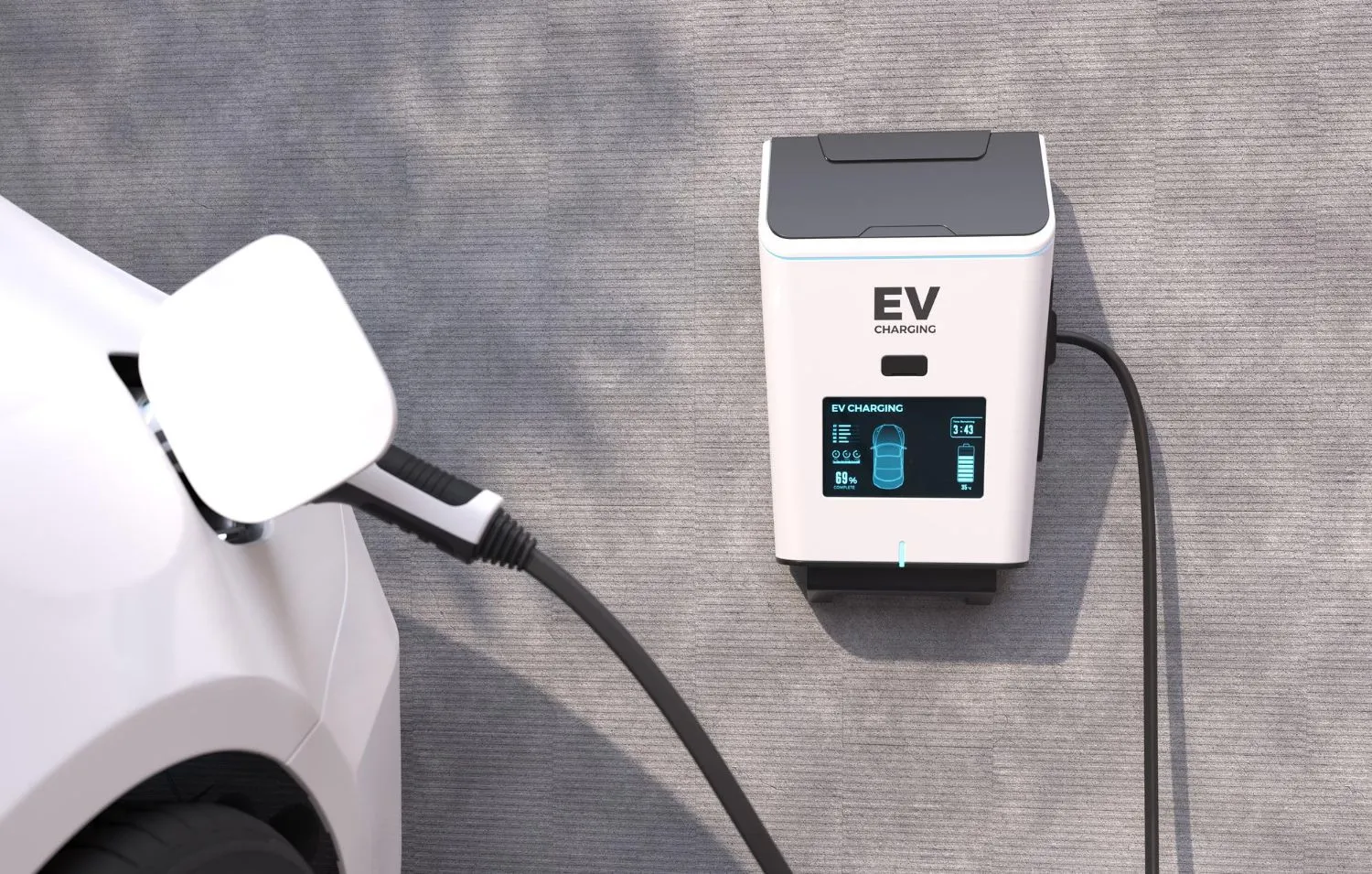
Primary selection priorities
Heat dissipation: continuous and peak electrical loads
Electrical safety: safe operation and servicing
Outdoor exposure: weather and environmental stress
What matters most
High power does not mean protection alone is enough. Lifecycle reliability and thermal behavior guide successful enclosure selection.
Hazardous & Explosive Locations
Hazardous locations follow a fundamentally different selection logic.

Primary selection priorities
Certification: required approvals for hazardous areas
Compliance: regulatory and safety standards
Risk mitigation: preventing ignition or escalation
What matters most
Compliance comes first, design comes second. Materials and layouts are chosen only after regulatory requirements are fully satisfied.
Common Selection Mistakes Across Applications
Even experienced teams can run into problems when enclosure selection relies on general assumptions instead of application-specific thinking. The issues below are common across industries and often lead to avoidable cost, downtime, or performance risks.

Over-Specifying Protection Ratings
It’s tempting to choose the highest protection level “just to be safe.” In practice, this can introduce new problems.
Why it happens
Protection is treated as the only risk factor
Higher ratings are assumed to be universally better
Why it becomes a problem
Excessive sealing can restrict airflow
Heat builds up faster, reducing equipment reliability
Costs increase without improving real-world performance
The goal is appropriate protection, not maximum protection.
Ignoring Thermal Needs
Thermal behavior is often overlooked until issues appear after installation.
Why it happens
Focus stays on external hazards
Internal heat generation is underestimated
Why it becomes a problem
Overheating shortens component lifespan
Performance degrades even in “well-protected” enclosures
Thermal considerations should be part of the initial selection logic, not a later correction.
Using Indoor Logic in Outdoor Environments
Design assumptions that work indoors don’t always translate outdoors.
Why it happens
Similar equipment is used in different locations
Environmental exposure is underestimated
Why it becomes a problem
Weather, UV, and corrosion accelerate failure
Maintenance frequency increases unexpectedly
Outdoor applications require long-term exposure thinking, not indoor design shortcuts.
How to Use This Guide with Other Selection Resources
This page is designed to help you set selection priorities—but it works best when used together with other resources in the enclosure selection process. Where you go next depends on what you already know.
If you know your industry
Start with our overview of industry applications. It helps you understand how different sectors approach enclosure use before narrowing priorities.If you know your environment
You’re in the right place. Use this page to identify what must be considered first based on exposure, risk, and operating conditions.If you need a full checklist
Move on to How to Choose the Right Electrical Enclosure. That guide walks through size, ratings, materials, and other practical checks step by step.If you’re ready to specify or purchase
Once priorities are clear, product pages are the best place to review available configurations and options.

Conclusion
Electrical enclosure selection is most effective when it starts with priority thinking. Different applications introduce different risks, and successful decisions come from recognizing which factors matter first—before comparing products or specifications.
By focusing on application-driven priorities, you reduce unnecessary complexity, avoid over- or under-design, and improve long-term reliability. When selection logic aligns with real operating conditions, enclosures perform as intended across their full service life.
If you’d like support applying these priorities to a specific project or environment, our team is available to help. Contact us to discuss your application and explore enclosure options that fit your real-world requirements.

 English
 Spanish
 Portuguese
 Arabic
 Japanese
 Korean
 Chinese
 French
 German
 Russian
 Thai