


Why Industry Applications Matter
An electrical enclosure is a protective housing that keeps electrical equipment safe and prevents electric shock. While the core function is the same, different industries place very different demands on enclosures.

Factories face dust, vibration, and washdowns, which directly affects enclosure sealing and material choices. Outdoor installations must handle weather and corrosion. Telecom, energy, and utility systems introduce their own operational challenges.
Who This Guide Is For
This guide is designed primarily for:
Engineers & system integrators selecting enclosures based on environment and application
Procurement teams comparing enclosure requirements across industries
Project planners & specifiers who need a fast, industry-based reference before final selection
If you’re simply exploring what electrical enclosures are used for, this article provides clear context.
If you’re choosing an enclosure for a specific industry, it’s structured to help you narrow options quickly and avoid mis-specification.
How Enclosures Work with Environmental Conditions
Electrical enclosures are chosen based on where they operate, not just what they contain. Environment drives protection level, material choice, and long-term performance.
Protection Ratings: NEMA & IP (Quick Basics)
Protection ratings describe how well an enclosure resists dust, water, and other hazards.
NEMA ratings (used mainly in North America, set by NEMA) focus on real-world conditions like rain, hose-down, corrosion, and icing.
IP ratings (used internationally under IEC) use a two-digit code to show protection against solids (dust) and liquids (water).
Why it matters:
A dusty factory, a wash-down food plant, and an outdoor cabinet all need different ratings to stay safe and compliant.
Materials & Corrosion Resistance
Material choice determines how an enclosure handles weather, chemicals, and wear.
Metal (steel, stainless steel, aluminum): strong and secure; stainless and aluminum resist corrosion better than painted steel.
Plastic (polycarbonate, ABS): lightweight, non-conductive, and corrosion-resistant; common for indoor and light outdoor use.
Fiberglass (FRP/GRP): excellent corrosion resistance for coastal, chemical, or wastewater environments.
Rule of thumb: harsher environments demand more resistant materials, even if initial cost is higher.
Performance Needs Across Industries
Beyond ratings and materials, enclosures must handle daily stresses:
Impact & vibration: machinery, traffic systems, and industrial floors
Chemicals & moisture: food processing, wastewater, marine settings
Temperature & heat: outdoor sun exposure, power electronics, poor ventilation
Design features—like gaskets, seals, coatings, and ventilation—help enclosures perform reliably over time.
Manufacturing & Heavy Industry Applications
For most manufacturing floors, sealed metal enclosures such as NEMA 12 or IP54/IP55 are the typical starting point, with higher ratings required for washdown, vibration, or contamination-heavy areas.
Manufacturing sites are among the most demanding environments for electrical enclosures. Equipment must keep running despite dust, vibration, moisture, and frequent maintenance.

Factory Automation & Control Panels
Automation systems—PLCs, drives, sensors, and control panels—are often installed close to machines.
Common challenges include:
Dust and debris from cutting, grinding, or packaging
Vibration and impact from moving equipment
Washdowns in certain production areas
In real manufacturing installations, proper gasketing and mounting are critical to protecting sensitive controls and reducing downtime.
Power Distribution & Motor Control
Heavy industry relies on enclosures to house:
variable frequency drives (VFDs)
These systems handle high currents and heat, so enclosures must provide:
strong physical protection
adequate space for wiring and airflow
secure access for qualified personnel
Reliability is critical—failure can stop an entire production line.
Food & Beverage Processing
Food and beverage plants add hygiene requirements on top of industrial demands.
Typical needs include:
frequent high-pressure washdowns
resistance to cleaning chemicals
smooth surfaces that are easy to clean
Enclosures in these environments are often made from stainless steel and designed to prevent water ingress and bacterial buildup.
For most food and beverage facilities, stainless steel enclosures with high washdown resistance are generally considered the starting point for compliance and hygiene.
Key Takeaway:
In manufacturing and heavy industry, enclosures must handle physical stress, contamination, and continuous operation. The right enclosure choice protects equipment, supports safety standards, and keeps production running smoothly.
Outdoor Infrastructure & Utilities
Outdoor installations generally require weather-rated enclosures such as NEMA 3R, NEMA 4, or IP65, with material selection focused on UV resistance and corrosion protection.
Outdoor and utility environments expose electrical equipment to weather, dirt, corrosion, and unauthorized access. Enclosures here must protect systems year-round with minimal maintenance.

Outdoor Power Distribution
Street-side cabinets, pole-mounted boxes, and roadside junction boxes are common in public infrastructure.
Typical challenges include:
Rain, snow, and humidity
Direct sunlight and temperature swings
Dust and insects
Enclosures must be weather-sealed, UV-resistant, and durable enough to operate reliably outdoors for years.
Traffic, Rail & Toll Systems
Traffic lights, railway signaling equipment, and toll booths rely on enclosures to protect critical control electronics.
Key requirements:
resistance to vibration and impact
stable performance in hot and cold climates
secure locking to prevent tampering
Failure in these systems can affect public safety, so enclosure reliability is essential.
Wastewater & Water Treatment Facilities
Water and wastewater plants are highly corrosive environments.
Common exposure risks:
constant moisture and condensation
chemicals and gases
outdoor and partially sheltered installations
Enclosures here are often made from fiberglass or corrosion-resistant metals to ensure long service life.
Utility & Grid Equipment Shelters
Power utilities use enclosures and shelters for transformers, switchgear, and control equipment.
These installations require:
long-term durability
protection against environmental extremes
safe access for maintenance crews
In utility and grid projects, these enclosure requirements are common in North America and are increasingly referenced in international infrastructure specifications as well.
Key Takeaway:
Outdoor and utility applications demand enclosures that withstand weather, corrosion, and public exposure. Choosing the right enclosure helps protect critical infrastructure and ensures continuous, safe operation.
Telecommunications & Data Network Installations
Telecom and network equipment is often deployed in outdoor-rated, ventilated enclosures such as IP55–IP65, a baseline that is common in North America and increasingly specified globally for outdoor telecom deployments.
Telecommunications and data networks rely on stable, protected environments to keep signals flowing without interruption. Enclosures in this sector protect sensitive electronics while supporting performance and uptime.

Telecom Cabinets & Small-Cell / 5G Equipment
Telecom enclosures are used for:
base stations and small-cell units
fiber and network distribution points
roadside and rooftop communication equipment
These installations often operate outdoors or in semi-exposed locations, requiring enclosures that resist weather while allowing efficient heat dissipation.
Outdoor Network Hardware Protection
Outdoor network equipment faces multiple risks:
rain, humidity, and condensation
dust and airborne pollutants
temperature extremes
Enclosures must keep electronics dry and clean, while still allowing technicians safe, quick access for upgrades and maintenance.
In telecom applications, enclosure selection usually starts with balancing environmental protection and heat dissipation, rather than maximizing sealing alone.
Shielding & Signal Integrity
Unlike many industrial systems, telecom and data equipment is highly sensitive to interference.
Important enclosure considerations include:
electromagnetic shielding to reduce external noise
proper grounding to stabilize signals
layout space for clean cable routing
In field telecom installations, good enclosure design helps maintain signal quality, network reliability, and service continuity.
Key Takeaway:
In telecom and data networks, enclosures protect both hardware and signal performance. The right enclosure supports reliable communication, minimizes interference, and keeps critical systems online in challenging environments.
Energy & Power Generation
Power generation and energy systems typically require heavy-duty outdoor enclosures such as NEMA 4 / 4X or IP65, a baseline commonly used in North America and increasingly reflected in international energy infrastructure standards.
Energy systems place unique demands on electrical enclosures. Equipment often operates outdoors, at high power levels, and for long service lives, making enclosure selection critical for safety and reliability.
Renewable Energy Systems (Solar & Wind)
Solar and wind installations rely on enclosures to protect:
inverters and combiner boxes
monitoring and control equipment
power conversion electronics
These systems are usually exposed to sun, rain, wind, dust, and temperature extremes. Enclosures must handle long-term outdoor exposure while protecting sensitive electronics that keep energy flowing to the grid.
For most energy installations, enclosures designed for long service life in outdoor conditions are the baseline, with thermal management becoming a key selection factor as power density increases.
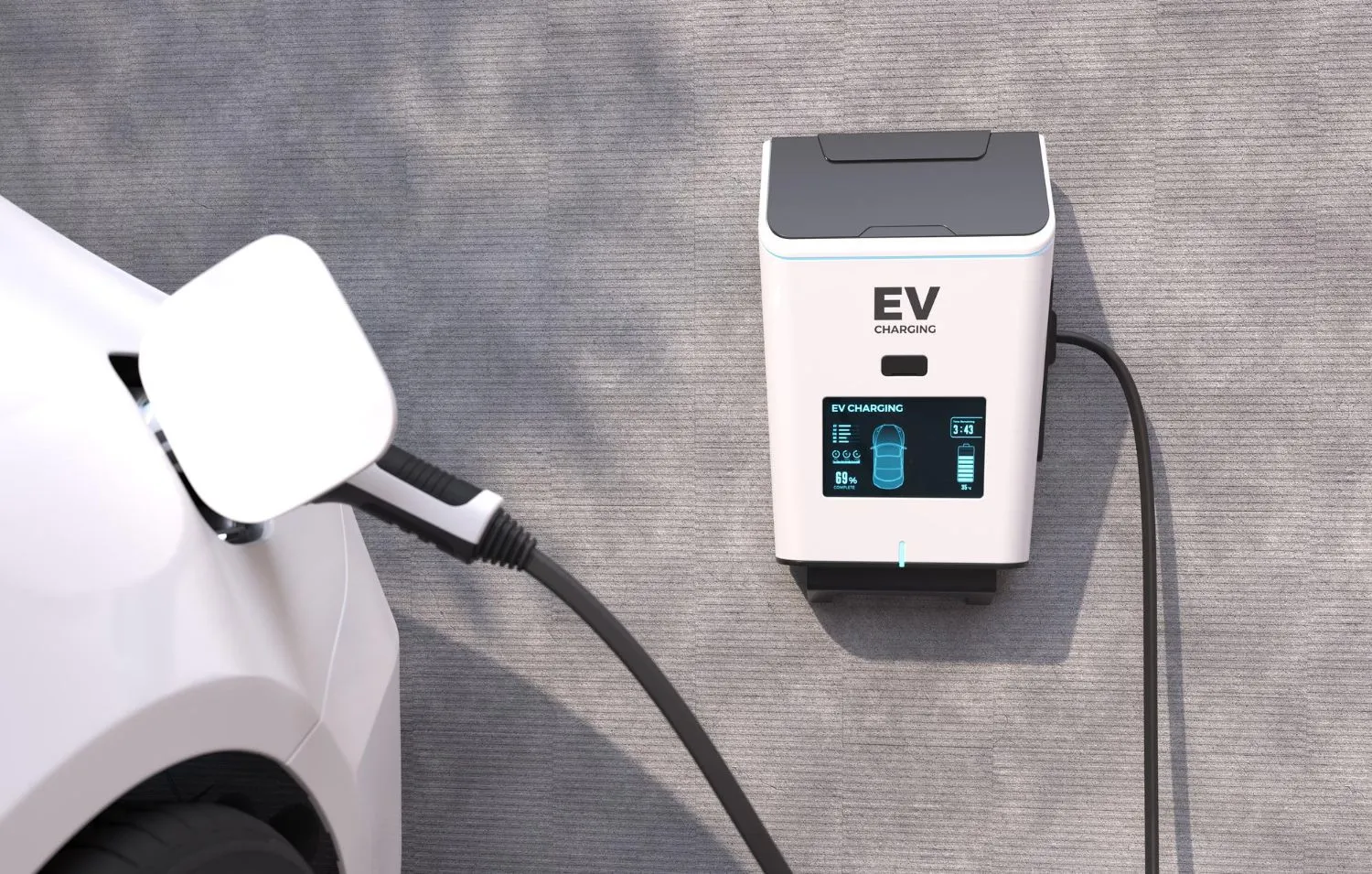
EV Charging Stations & Power Electronics
EV charging infrastructure combines high power, public access, and outdoor installation.
Key enclosure needs include:
weather resistance for outdoor locations
protection against accidental contact
secure access to prevent tampering
Because EV chargers are used daily and often installed in public areas, enclosure durability and safety design are especially important.
Power Plants & Substations
Power plants and substations use enclosures for:
control and protection systems
switchgear and auxiliary equipment
monitoring and communication devices
These environments demand enclosures that support high electrical loads, manage heat, and allow safe maintenance under strict operating procedures.
Key Takeaway:
In energy and power generation, enclosures protect high-value, high-power equipment in demanding environments. The right enclosure supports safe operation, long service life, and reliable energy delivery.



 English
 Spanish
 Portuguese
 Arabic
 Japanese
 Korean
 Chinese
 French
 German
 Russian
 Thai




