EV Charging Basics
An EV charger, officially known as EVSE (Electric Vehicle Supply Equipment), is the bridge between your vehicle and the electrical grid.
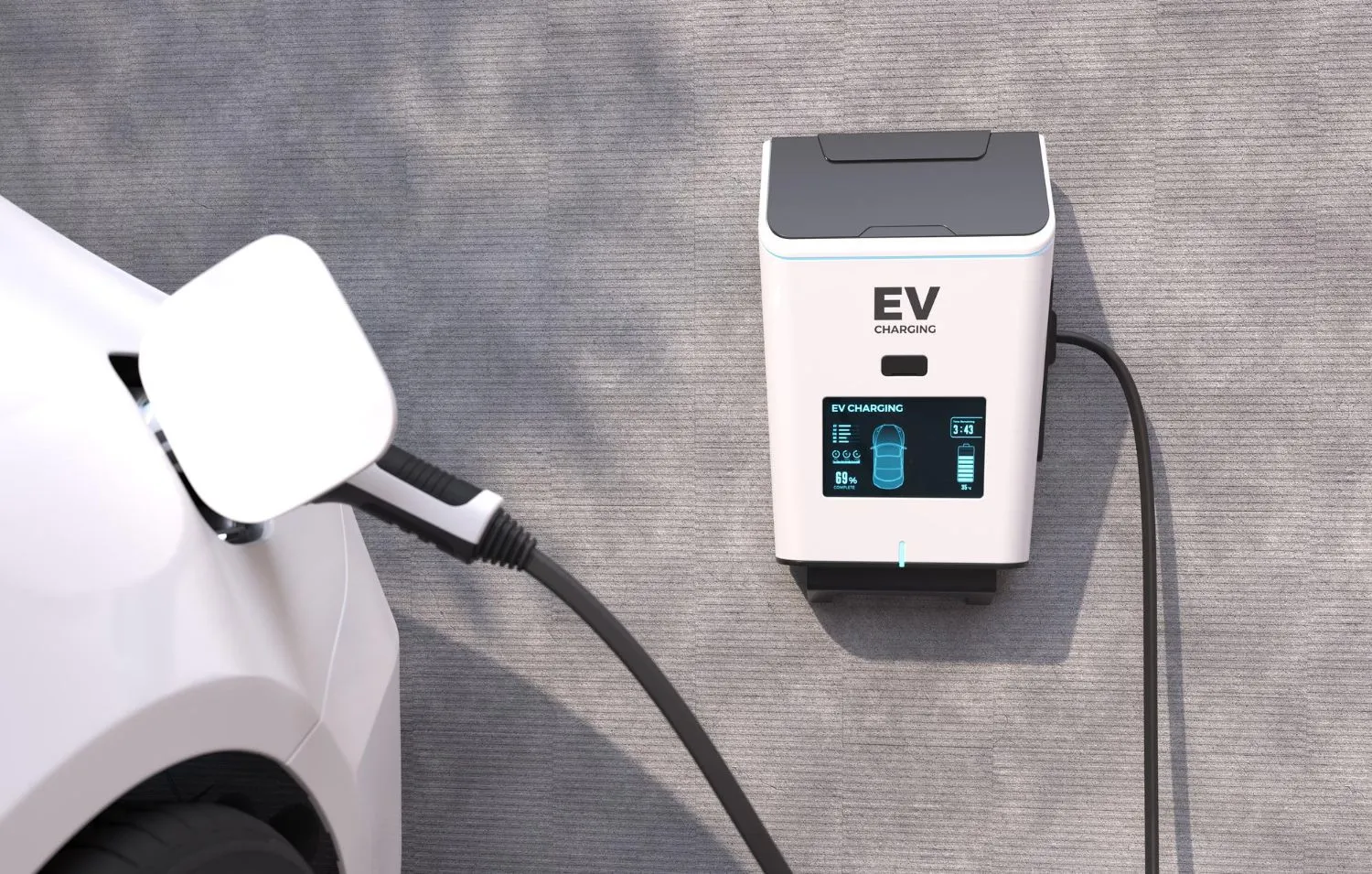
It delivers power safely and efficiently to recharge the battery in your electric vehicle (EV).
While the term “charger” is commonly used, the actual battery charging process happens inside the car.
The EVSE simply supplies electricity and ensures that it’s delivered at the correct voltage and current, while also managing safety communication between the car and the power source.
Charger Levels: Level 1, Level 2, and DC Fast Charging (Level 3)
EV chargers are categorized into three main levels — Level 1, Level 2, and DC Fast Charging (Level 3) — based on how much power they deliver and how quickly they can recharge your vehicle’s battery.
The higher the level, the faster the charge, but also the greater the installation and equipment requirements.
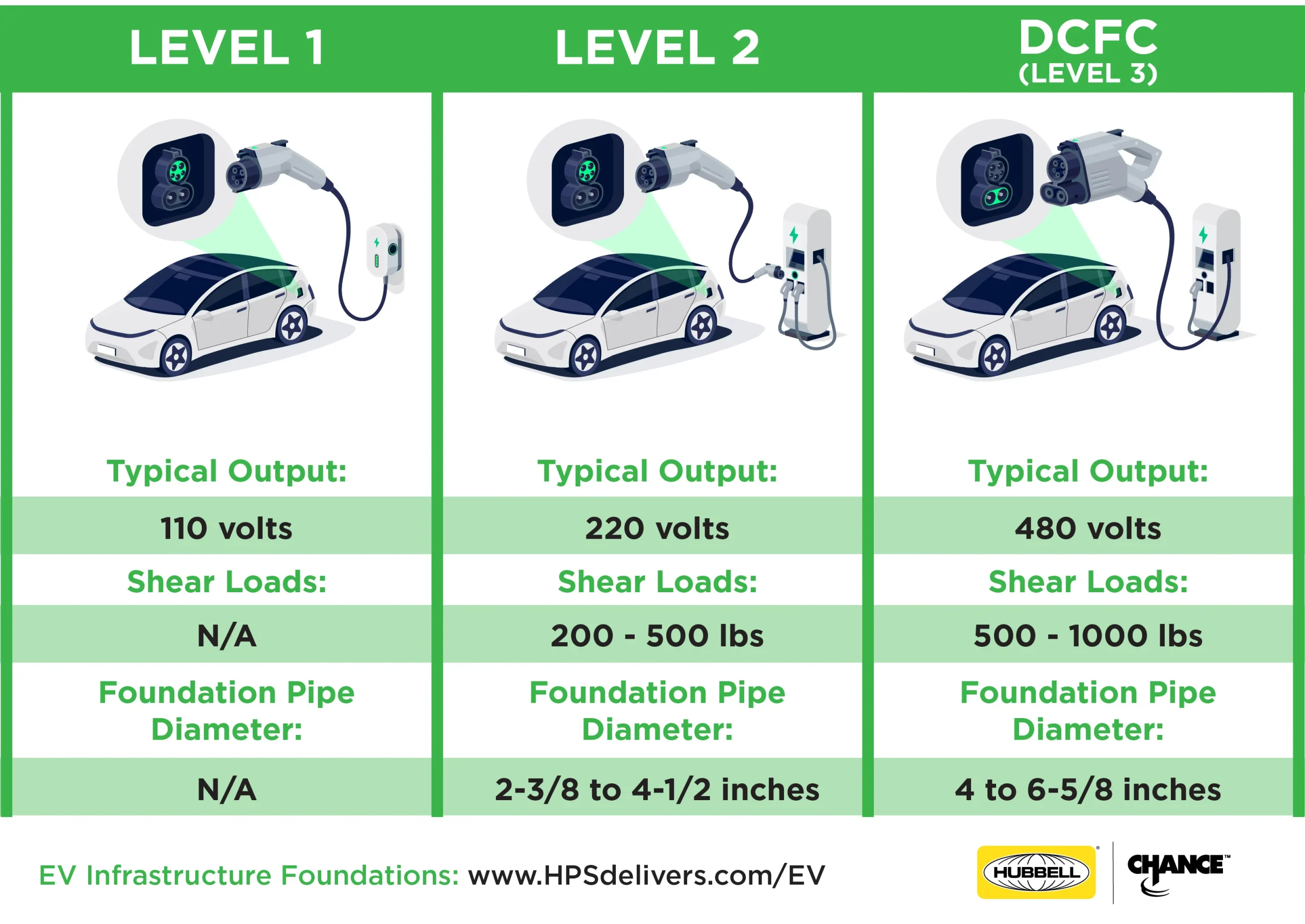
Level 1 Charging — The Simplest Option
Voltage: 120 V AC (standard household outlet in North America)
Speed: Adds about 5–8 km (3–5 miles) of range per hour
Best for: Overnight home charging, plug-in hybrids, or low daily mileage drivers
Level 1 charging uses a standard outlet and the charging cable included with most EVs.
It’s the easiest and least expensive option — just plug in and charge. However, it’s also the slowest.
A full charge may take 8–20 hours depending on battery size.
This setup is ideal for:
Commuters who drive short distances daily
Plug-in hybrid owners with smaller batteries
Temporary or occasional home charging setups
Level 2 Charging — The Everyday Standard
Voltage: 208–240 V AC
Speed: Adds about 25–50 km (15–30 miles) of range per hour
Best for: Daily EV users, homeowners, workplaces, and commercial parking areas
Level 2 chargers use a dedicated 240 V circuit, similar to an electric dryer or oven.
They can fully recharge most EVs in 4–8 hours, making them the most popular choice for home installations and public parking stations.
Advantages include:
Faster and more efficient charging for all EV models
Permanent wall-mounted or pedestal installations
Smart-charging features available (timers, load balancing, app control)
DC Fast Charging (Level 3 / DCFC) — Rapid Power on the Go
Voltage: 400–1000 V DC
Speed: Adds 100–300 km (60–200 miles) of range in 20–40 minutes
Best for: Highways, fleets, and public fast-charging networks
Unlike Level 1 and Level 2, which use alternating current (AC), DC Fast Chargers deliver direct current (DC) straight to the vehicle’s battery, bypassing the onboard charger for maximum speed.
Key points:
Found mainly at highways, rest stops, and commercial stations.
Power output ranges from 50 kW to over 350 kW, depending on charger and vehicle capability.
Not all EVs can accept high-power DC charging — always check your car’s limit.
Connector & Plug Types
EV chargers and vehicles use different plug types depending on region, charging level, and manufacturer.
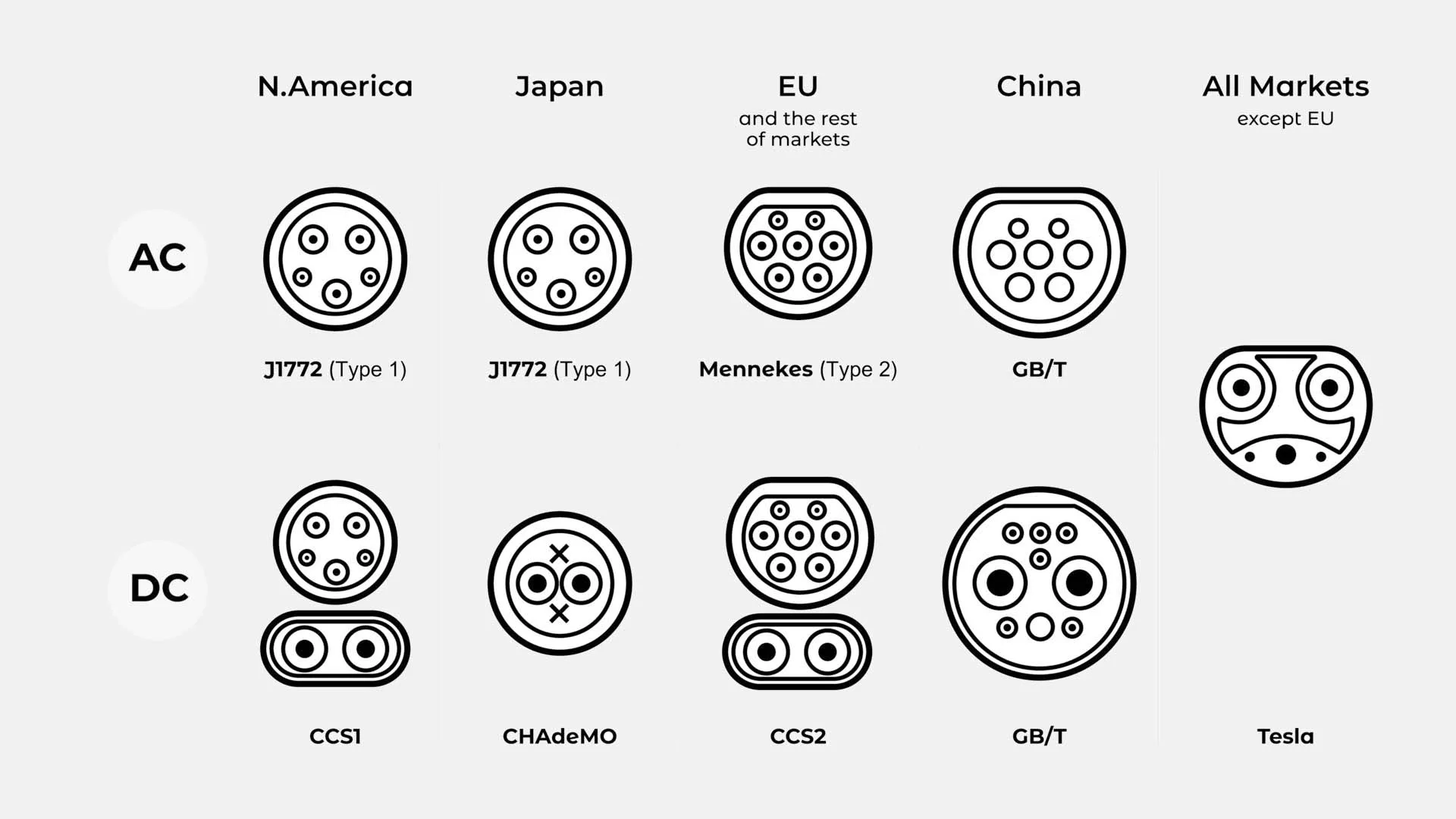
Common EV Plug Standards Worldwide
| Connector Type | Region / Standard | Charging Level | Description |
|---|---|---|---|
| SAE J1772 (Type 1) | North America, Japan | Level 1 & 2 (AC) | The standard plug for most U.S. EVs. Works with both 120 V and 240 V charging. Almost every public Level 2 station in North America uses this connector. |
| Type 2 (Mennekes) | Europe, Asia-Pacific | Level 2 (AC) | The European standard. Supports single- and three-phase charging up to 22 kW. Now adopted in many Asian and Middle-Eastern markets. |
| CCS Combo 1 & 2 (Combined Charging System) | CCS1 – North America; CCS2 – Europe/Asia | DC Fast Charging (Level 3) | Adds two DC pins to the J1772 or Type 2 connector for fast charging. Widely used across Tesla (Supercharger V4 network), Ford, BMW, VW etc. |
| CHAdeMO | Japan, some Asian & older European EVs | DC Fast Charging (Level 3) | Japan’s original fast-charging standard. Still supported by Nissan LEAF and Mitsubishi models, though slowly being replaced by CCS. |
| NACS (Tesla North American Charging Standard) | North America | Level 2 & DC Fast | Tesla’s proprietary connector, now open-standard and adopted by most new EV brands in the U.S. Offers compact design and high power (>250 kW). |
| GB/T | China | Level 2 & DC Fast | China’s national EV plug standard. The AC and DC interfaces are separate. Used by most Chinese EV manufacturers. |
Why Plug Type Matters
Compatibility:
Each EV model supports specific connector types. Using the wrong one may require an adapter or won’t work at all.Charging Speed:
The connector determines whether the session uses AC charging (slower) or DC charging (fast).Regional Standards:
Plug types are region-specific — for example, a J1772 charger from the U.S. won’t directly fit a European Type 2 socket.Future Transition:
With automakers shifting to the NACS standard in North America, future chargers will become more cross-compatible, simplifying infrastructure.
Where and When to Use Each Charger Type
Choosing the right EV charger depends largely on where you plan to charge and how often you drive.
Each level serves a specific use case — from slow overnight charging at home to ultra-fast top-ups during long trips.
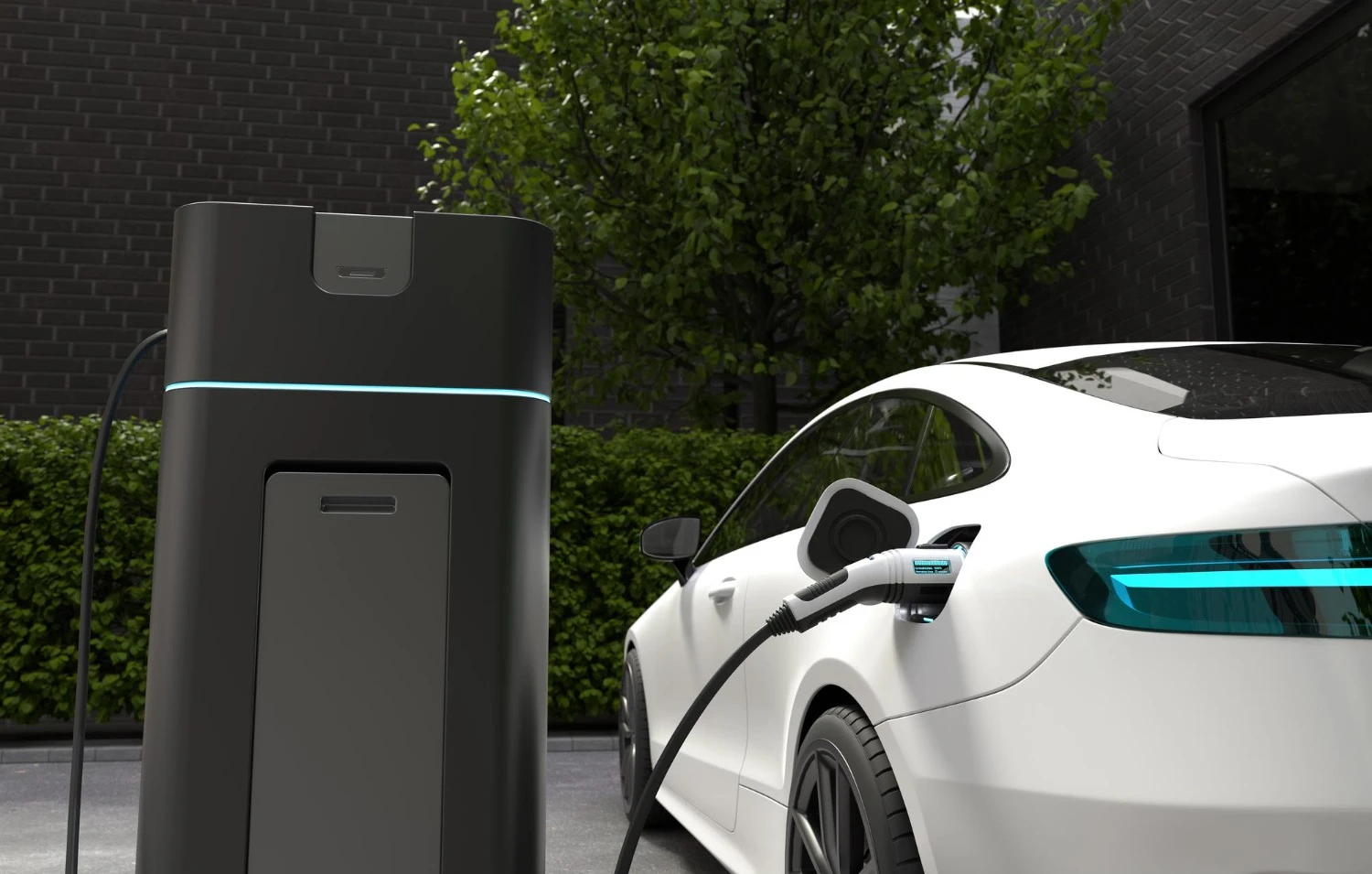
Home Charging: Ideal for Daily Convenience
More than 80 % of EV drivers charge at home.
Best choice: Level 2 charger — provides a full recharge overnight and works seamlessly for everyday use.
When Level 1 works: Small-battery hybrids or short daily commutes where overnight slow charging is enough.
Tip: Have a qualified electrician assess your panel capacity before installation to ensure long-term safety.
Workplace or Public Parking: For Regular, Extended Stops
Level 2 chargers are the standard for office buildings, commercial garages, and shopping centers because they balance speed and cost.
Perfect for employees or visitors parking several hours.
Can include features like smart access (RFID cards, mobile apps) and energy-use tracking for businesses.
Often provided as a sustainability or customer-service perk.
Long-Distance Travel or Fleet Operations: Fast and Strategic
DC Fast Chargers serve highway rest stops, logistics hubs, and fleet depots where time matters most.
Ideal for long trips, taxis, and delivery fleets needing quick turnarounds.
Typically recharges most EVs to 80 % in under an hour.
Installed where high-power infrastructure is available — not usually practical for residential settings.
Quick Reference
| Use Case | Recommended Charger | Why It Fits |
|---|---|---|
| Home, daily commuting | Level 2 | Convenient, affordable, overnight charging |
| Light driving or plug-in hybrid | Level 1 | Simple, low-cost, no installation |
| Workplace or commercial parking | Level 2 | Efficient for long stays, scalable for multiple users |
| Highway or fleet operations | DC Fast | Rapid energy delivery, essential for long-distance use |
Electrical Requirements & Installation Considerations
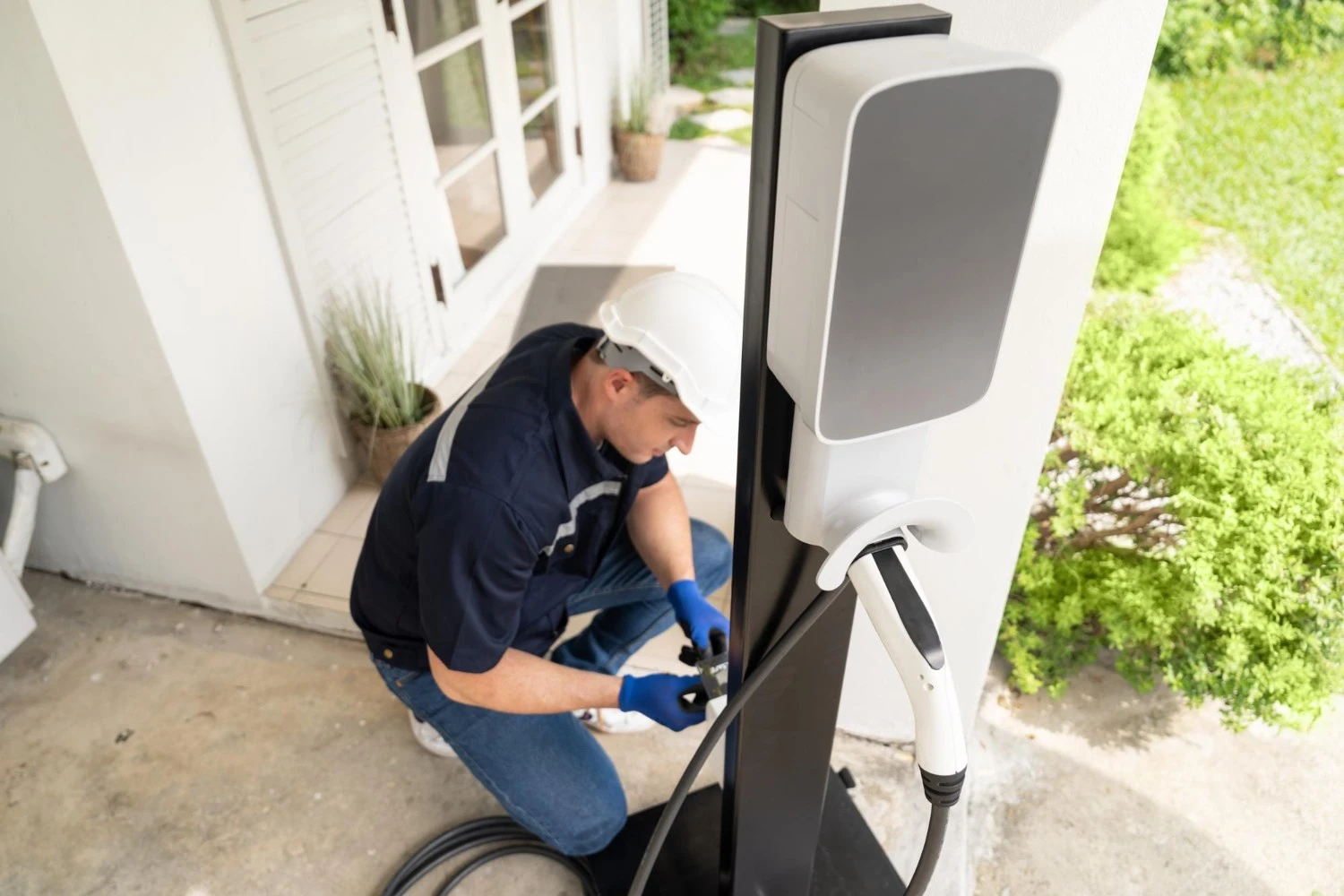
Installing an EV charger isn’t just about plugging in a new device — it’s about making sure your electrical system can safely handle the added load.
Whether for a private garage, apartment complex, or commercial site, proper planning ensures efficient and safe charging for years to come.
Voltage & Circuit Requirements
Level 1 chargers work from a standard 120 V outlet (North America) or 230 V (Europe/Asia). They draw around 12–16 amps, requiring no dedicated circuit but benefit from a stable supply.
Level 2 chargers need a dedicated 208–240 V circuit rated between 20 A and 60 A, depending on charger power (typically 3.6 kW–11 kW).
DC Fast Chargers operate at 400–1000 V DC and demand three-phase power, high amperage capacity, and industrial-grade electrical infrastructure.
⚡ Tip: Always confirm your electrical panel’s available capacity. If your panel is already near its limit, an upgrade may be necessary before installing a high-power charger.
Panel Load & Wiring Assessment
An electrician should evaluate:
Main service panel capacity (measured in amps, e.g., 100 A, 200 A, 400 A)
Existing circuit loads to prevent overloads or nuisance tripping
Wire size and condition — undersized conductors can overheat under EV load
Grounding and bonding for safety and surge protection
For older homes or buildings, upgrading service panels, wiring, or transformers may be required to meet modern EV charging demands.
Permits, Safety, and Code Compliance
Installing a charger involves following local electrical codes and global standards to ensure safety and insurance compliance.
Permits: Most jurisdictions require a permit before installation, especially for Level 2 or DC chargers.
Codes and Standards:
NEC (National Electrical Code, U.S.) Article 625 governs EVSE installation.
IEC 61851 (International) specifies EV charging system safety, control, and communication.
UL 2202 / UL 2231 cover charger safety and electric shock protection.
Ground-fault and surge protection are mandatory for most installations.
When an Upgrade Is Needed
You may need a panel or service upgrade if:
Your home has a 100 A panel and multiple high-demand appliances (HVAC, oven, water heater).
You’re installing more than one charger or planning for future EVs.
The utility connection (transformer or service line) cannot handle increased demand.
Consult a licensed electrician or energy consultant early — it can prevent costly retrofits later.
Cost, Speed & Practical Trade-Offs
EV charging involves balancing speed, installation cost, and ongoing electricity expenses.
The faster you charge, the more power and infrastructure you’ll need — but also the more convenience you’ll gain.
Charging Speed Comparison
| Charger Level | Voltage / Power | Approx. Range Added | Typical Full Charge Time | Best Use Case |
|---|---|---|---|---|
| Level 1 | 120 V / 1.4 kW | 5–8 km (3–5 mi) per hour | 8–20 hours | Overnight home charging, low-mileage drivers |
| Level 2 | 208–240 V / 3.6–11 kW | 25–50 km (15–30 mi) per hour | 4–8 hours | Homes, workplaces, public parking |
| DC Fast (“Level 3”) | 400–1000 V DC / 50–350 kW + | 100–300 km (60–200 mi) in 20–40 min | 20–60 min | Highways, fleets, commercial stations |
Installation Costs by Charger Type
| Level | Approx. Equipment + Installation Cost (USD) | Notes |
|---|---|---|
| Level 1 | Minimal – often included with car | Uses existing outlet; no upgrades needed |
| Level 2 | $500 – $2,000 + (optional panel upgrade $500 – $1,500)** | Requires a dedicated circuit; cost varies by wiring distance and labor rates |
| DC Fast | $10,000 – $50,000 + (commercial only)** | Needs three-phase power, transformer upgrades, and professional engineering design |
Figures are general global estimates based on 2025 industry data; actual prices vary by region, materials, and labor rates.
Electricity Cost & Time Considerations
Home charging: Usually the cheapest, since it uses standard residential rates. Charging overnight during off-peak hours can reduce costs by 30–50 %.
Public Level 2 stations: May charge by the hour or kWh (often $0.20–$0.40 per kWh).
DC Fast charging: Fast but expensive — up to $0.60 – $0.80 per kWh at some networks.
Managing Long-Term Energy Costs
For businesses, apartments, or fleets using multiple chargers:
Smart load management systems can share available power across units automatically.
Energy management software can integrate with solar panels or time-of-use pricing to reduce operational costs.
Demand-charge mitigation strategies help avoid high utility fees during peak hours.
Future-Ready & Smart / Networked EV Chargers
As electric mobility continues to expand, modern EV chargers are evolving beyond simple power delivery.
The latest generation of smart and connected chargers adds intelligence, connectivity, and sustainability — making charging more efficient, flexible, and grid-friendly.
Smart EV Chargers: Charging With Intelligence
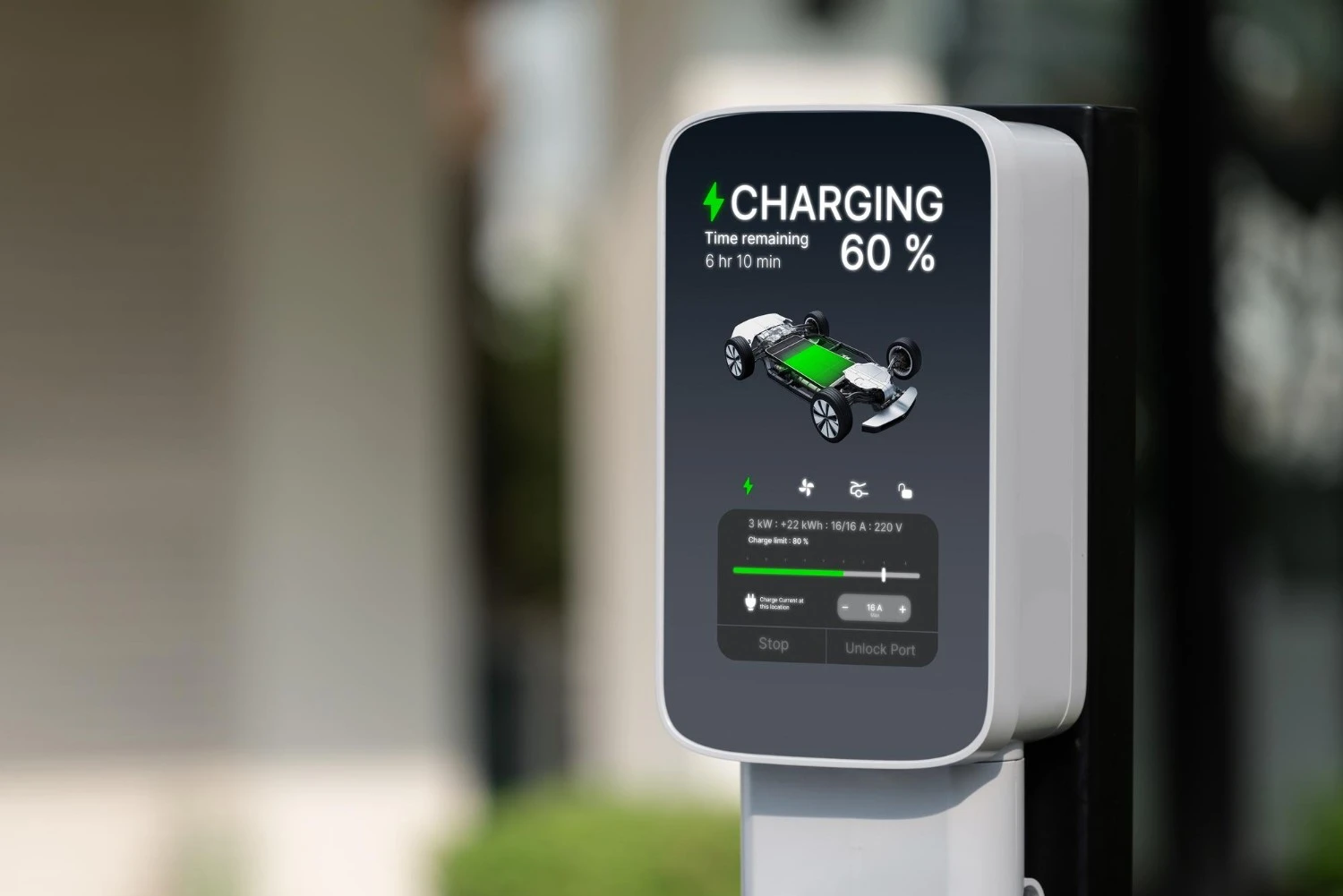
Smart EV chargers go beyond on-off power delivery. They connect to Wi-Fi, Bluetooth, or cellular networks, allowing users and operators to monitor and control charging through an app or central dashboard.
Key Features:
Scheduled charging: Start charging during off-peak hours to reduce electricity costs.
Load balancing: Automatically adjust charging power among multiple EVs to prevent overloads.
Remote monitoring: Track energy use, session history, and fault alerts in real time.
Integration with renewable energy: Sync with solar panels or home batteries to use clean power first.
Networked Chargers for Shared or Commercial Use
In apartments, offices, and public spaces, networked charging systems are becoming the standard. These setups link multiple chargers through cloud software to manage energy, billing, and access control.
Advantages:
Multi-user management: Allow access via RFID cards, mobile apps, or subscriptions.
Automated billing: Calculate energy costs and send invoices or reports automatically.
Dynamic load management: Distribute available power across chargers in real time.
Scalability: Easily expand charging capacity as more EVs join the network.
Such systems are essential for workplaces, residential complexes, fleets, and commercial parking facilities.
Future Compatibility & Evolving Standards
The EV charging industry is rapidly standardizing, with global convergence toward more interoperable technologies:
Plug standards: The NACS (North American Charging Standard) is being widely adopted by automakers in the U.S., while CCS and Type 2 dominate Europe and Asia.
Communication protocols: OCPP (Open Charge Point Protocol) ensures chargers can communicate with different management platforms.
Grid integration: Future EVSEs will support V2G (Vehicle-to-Grid), allowing cars to feed energy back into the grid during peak demand.
Regulations: Many regions (EU, U.S., China) are introducing mandatory smart-charging and cybersecurity standards to ensure network stability.
Choosing the Right EV Charger: Decision Checklist
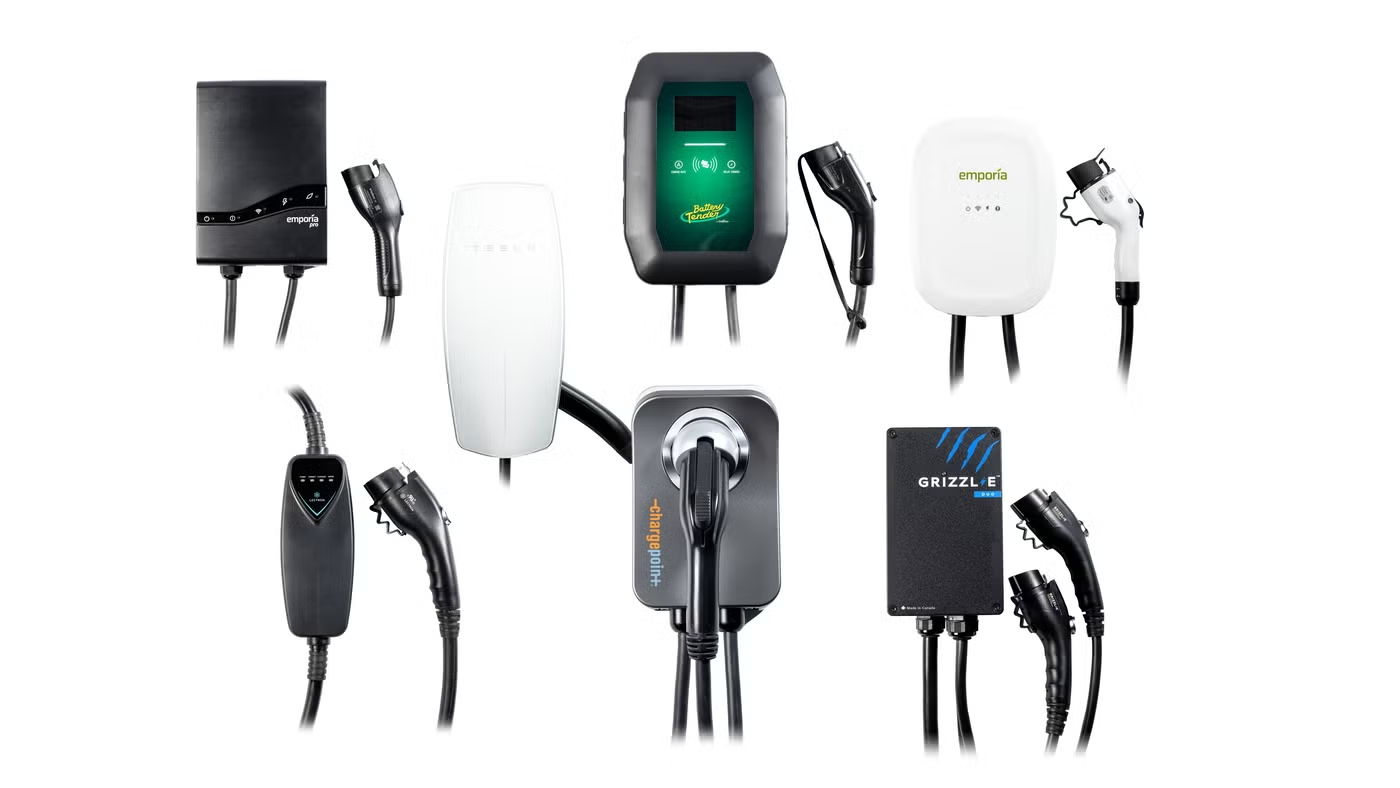
Selecting the right EV charger depends on your driving habits, electrical setup, and future needs.
Use this checklist to narrow your options and make a confident, informed choice.
1. Assess Your Driving and Charging Habits
Daily driving distance:
Under 50 km (30 miles) → Level 1 may suffice for overnight charging.
50–150 km (30–90 miles) → Level 2 offers practical daily convenience.
Over 150 km (90 miles) or frequent long trips → Add access to DC Fast Charging.
Charging frequency: Consider whether you’ll charge nightly or only as needed.
Parking situation: Do you have a private garage, shared parking, or on-street access? This determines installation feasibility.
2. Check Your Electrical Capacity
Before purchasing any charger, confirm that your home or building’s electrical system can handle it:
Panel rating (100 A, 200 A, etc.)
Available breaker slots for a dedicated circuit
Distance from panel to charger location (affects wiring cost)
Condition of wiring, grounding, and service connection
If your system is older or near capacity, consult an electrician for a load calculation or panel upgrade estimate.
3. Confirm Plug and Vehicle Compatibility
Verify your EV’s charging port type (J1772, CCS, NACS, Type 2, GB/T, etc.).
Ensure your chosen charger supports that connector or can use a certified adapter.
Check your vehicle’s maximum charging rate (kW) — buying a faster charger won’t help if your car can’t accept the extra power.
4. Compare Cost, Features & Installation Complexity
| Charger Level | Avg. Cost (Installed) | Charging Speed | Installation Effort | Ideal User |
|---|---|---|---|---|
| Level 1 | Minimal | Very slow | Plug-in only | Light commuter, hybrids |
| Level 2 | $500 – $2,000 | Moderate to fast | Electrician required | Typical EV owner |
| DC Fast | $10,000 + | Very fast | Commercial-grade setup | Fleets, public stations |
5. Know When to Call a Professional
You should always hire a licensed electrician or certified EV installer when:
Installing a Level 2 or DC Fast charger
Upgrading your service panel or wiring
Adding chargers in shared or commercial settings
They’ll ensure compliance with local codes, permits, and safety standards (NEC, IEC 61851, UL 2231, etc.) — essential for insurance and warranty coverage.

 English
 Spanish
 Portuguese
 Arabic
 Japanese
 Korean
 Chinese
 French
 German
 Russian
 Thai